World-Class Curriculum
Developed by an elite, international advisory team, our curriculum delivers cutting-edge, industry-aligned knowledge.


At Lumina Academy, we bridge the gap between imagination and industry-ready execution. Our curriculum is continuously updated to integrate cutting-edge AI technology and adapt to the rapid breakthroughs of the global 3D industry. We empower students to unleash their full creative potential immediately, removing traditional barriers so you spend your time designing and innovating rather than spending months mastering tedious hand-drawing skills.
Whether you are looking for long-term career transformation or targeted skill enhancement, our programs are built for the future of digital creation:
Flagship 2-Year Professional Pathway: An immersive, comprehensive journey designed to build deep industry mastery, portfolio-grade execution, and leadership readiness for the global market.
Intensive Skill-Building Short Courses: Accelerated, highly focused tracks tailored for professionals and learners aiming to rapidly upskill and master specific industry tools or techniques.

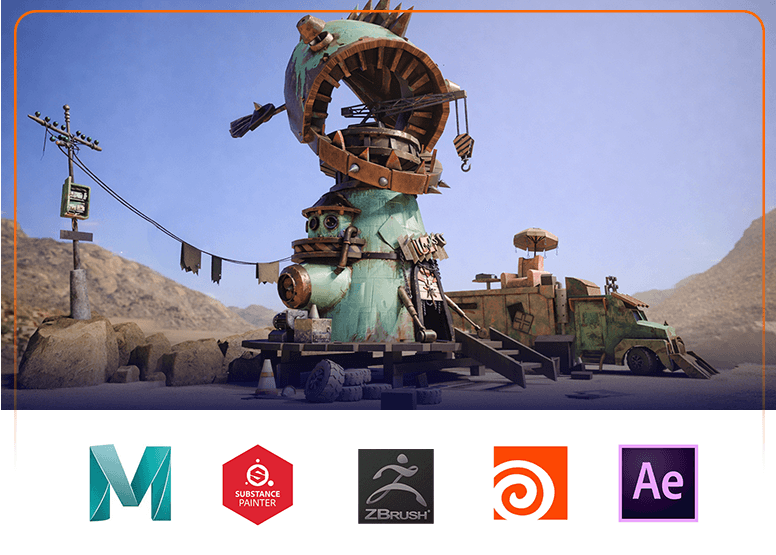
In the first semester, students gain an overview of the production process in the 3D graphic design industry, understanding how to stage and software is used in the production process. This aids students identifying their areas of specificity, allowing them to develop their skills in subsequent semesters.
1 months
6 months
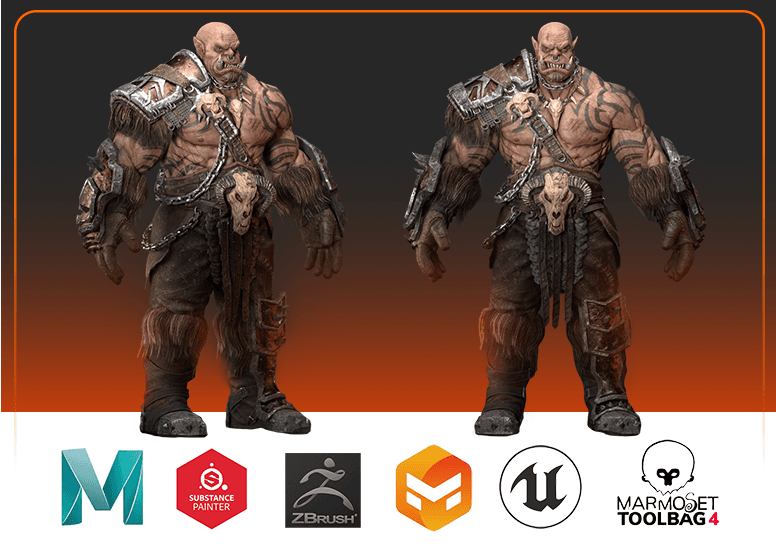
Students receive in-depth training in 3D character modeling and animation for games and cinematics. The program supplements anatomical knowledge, helping to create realistic character models and movements; it also hones skills in simulating clothing, fabrics, hair, and accessories – advanced techniques in modeling. Furthermore, students strengthen their applied 3D artistic thinking regarding color, lighting, and composition, perfecting their ability to create professional-level visuals.
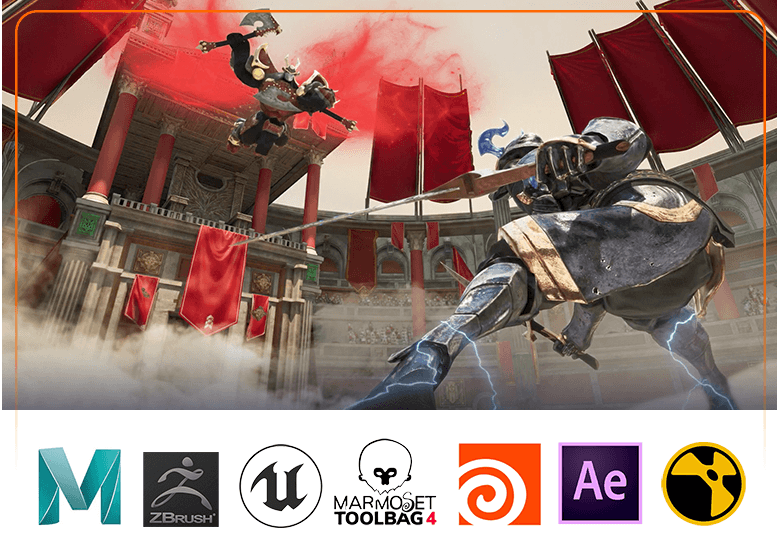
The 3rd semester will help you master the entire 3D film making process - from idea-making, setting the scene, script construction to storytelling in movie language. No longer just learning theory, students can directly participate in the actual project in the middle of the semester, with a team of instructors guiding like a real studio. You will receive in-depth training in technical effects (VFX) – smoke, fire, water, explosions and master Unreal Engine in the post-production stage.
12 months
1
In the first semester, students gain an overview of the production process in the 3D graphic design industry, understanding how to stage and software is used in the production process. This aids students identifying their areas of specificity, allowing them to develop their skills in subsequent semesters.
6
Students receive in-depth training in 3D character modeling and animation for games and cinematics. The program supplements anatomical knowledge, helping to create realistic character models and movements; it also hones skills in simulating clothing, fabrics, hair, and accessories – advanced techniques in modeling. Furthermore, students strengthen their applied 3D artistic thinking regarding color, lighting, and composition, perfecting their ability to create professional-level visuals.
12
The 3rd semester will help you master the entire 3D film making process - from idea-making, setting the scene, script construction to storytelling in movie language. No longer just learning theory, students can directly participate in the actual project in the middle of the semester, with a team of instructors guiding like a real studio. You will receive in-depth training in technical effects (VFX) – smoke, fire, water, explosions and master Unreal Engine in the post-production stage.
Whether you are exploring the 3D industry, pursuing a professional artist pathway, or looking to sharpen specialized skills, Lumina Academy offers production-standard training programs that help you build the exact capabilities needed for your goals.
Environment & Real-time 3D - Building 3D worlds
Approach Unreal Engine 5 through 3D environment production, asset management, lighting, materials, and spatial composition, step by step completing a first scene ready for game and cinematic projects.
After one month, students can operate basic UE5 workflows, develop an environment blockout, use landscape and foliage, set up lighting, and render a finished scene. This is an ideal starting point for exploring professional 3D worlds and pathways such as cinematic, game, or virtual environment creation.


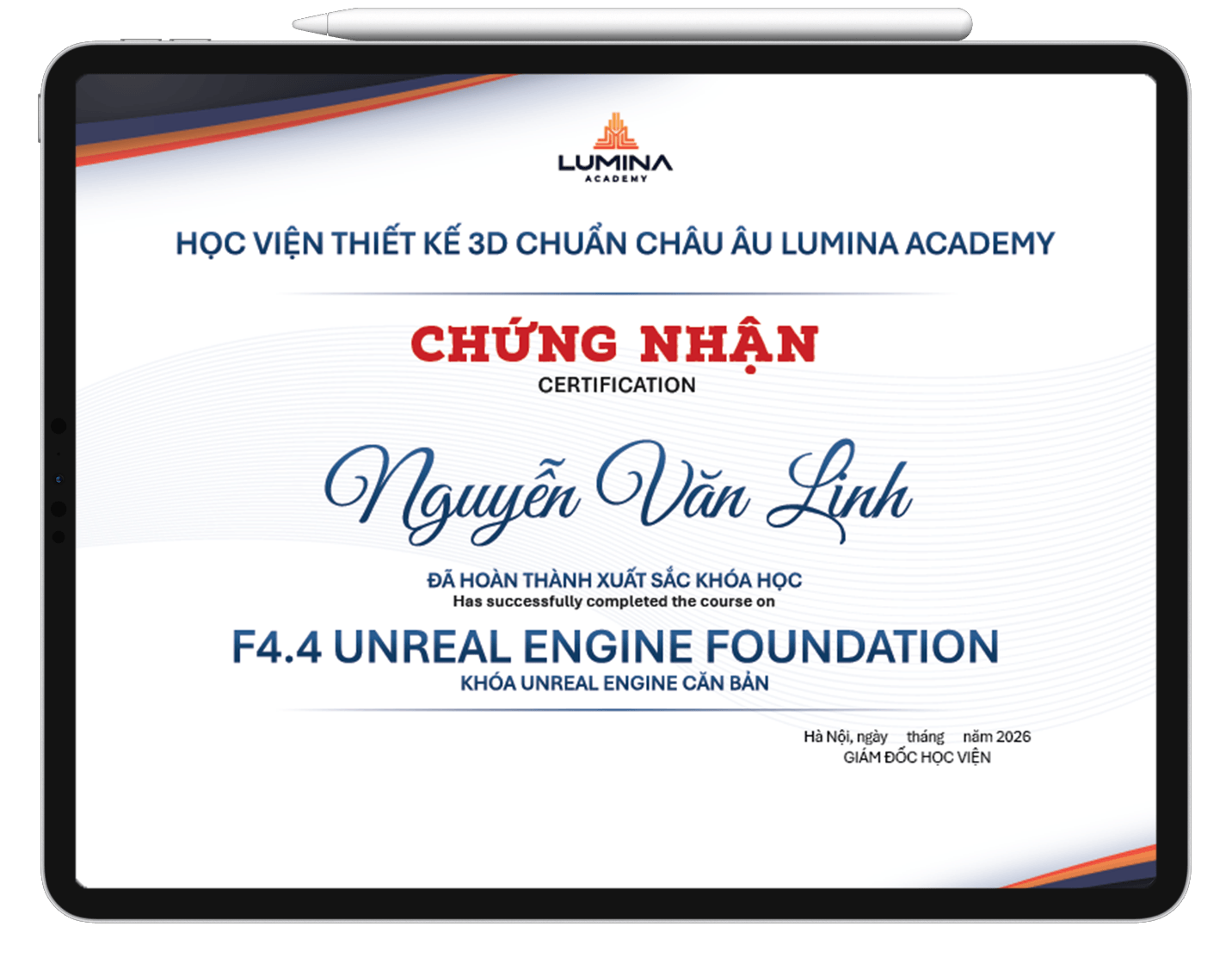
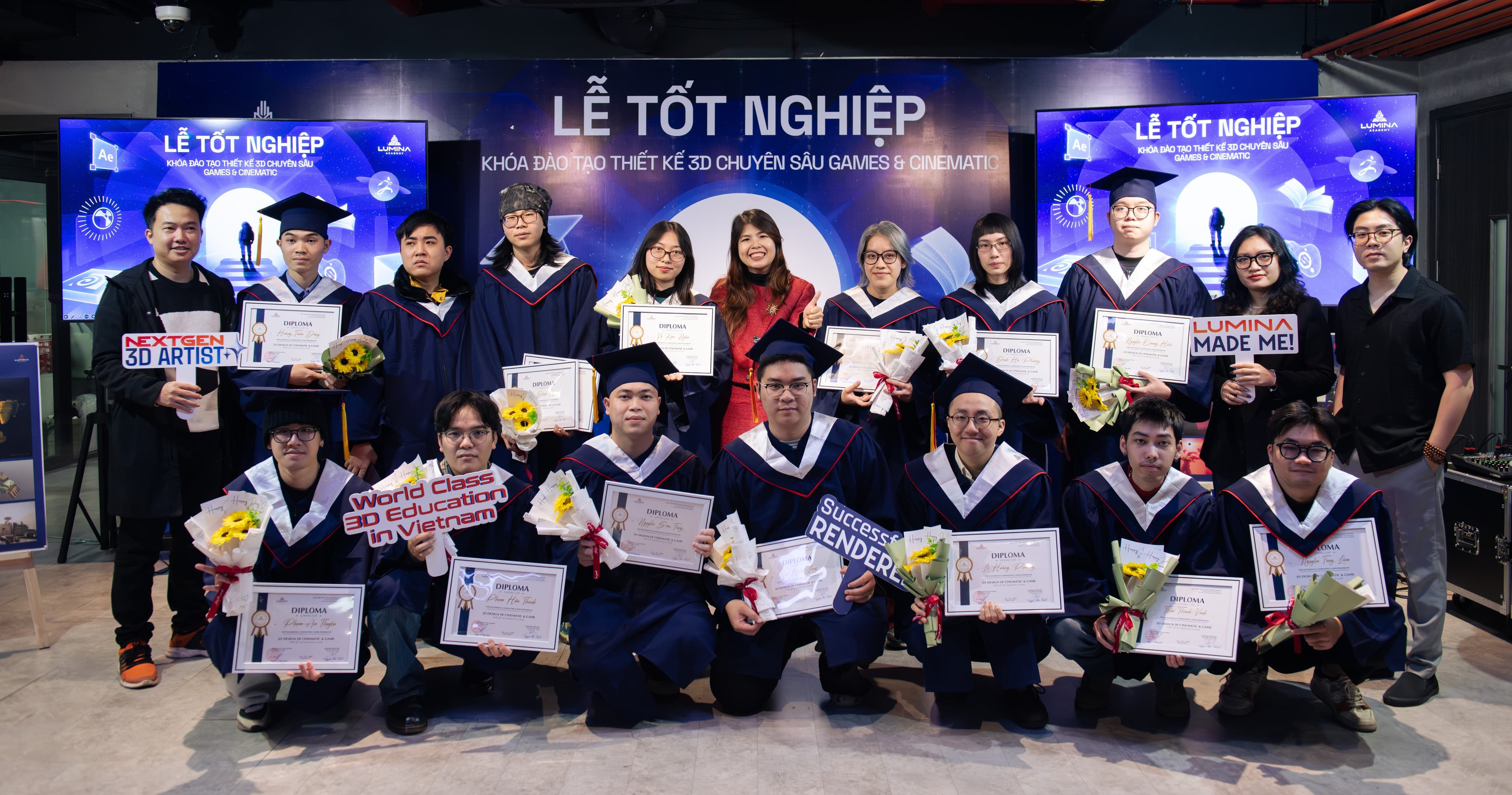
Graduating from Lumina Academy gives you far more than a certificate—it equips you with end-to-end 3D production mastery ready for the real world. You will master key disciplines including 3D modeling, digital sculpting, texturing, lighting, rigging, animation, VFX, and rendering, while learning to integrate cutting-edge AI workflows to maximize efficiency. Beyond technical expertise, you will develop strong artistic judgment, production-level thinking, and an industry-ready portfolio to launch your career.
Awarded upon completion of the Foundation 3D Course and the Short-Term Specialized 3D Course.
Awarded upon completion of the two-year program. Upon graduation, students will be qualified to participate in projects both domestically and internationally.







During the training process, students will be introduced to job opportunities and will have significant chances to join large corporations.